

The United States carried out an extensive new round of air strikes across Iran early Wednesday, hitting more than 80 military targets in what American officials said was a response to Tehran's latest attacks on commercial shipping in the Strait of Hormuz.
The US Central Command (CENTCOM) said the operation employed precision-guided munitions against Iranian air defence systems, command and control networks, coastal radar installations, anti-ship missile capabilities and more than 60 Islamic Revolutionary Guard Corps (IRGC) small boats operating in and around the strategically vital waterway.
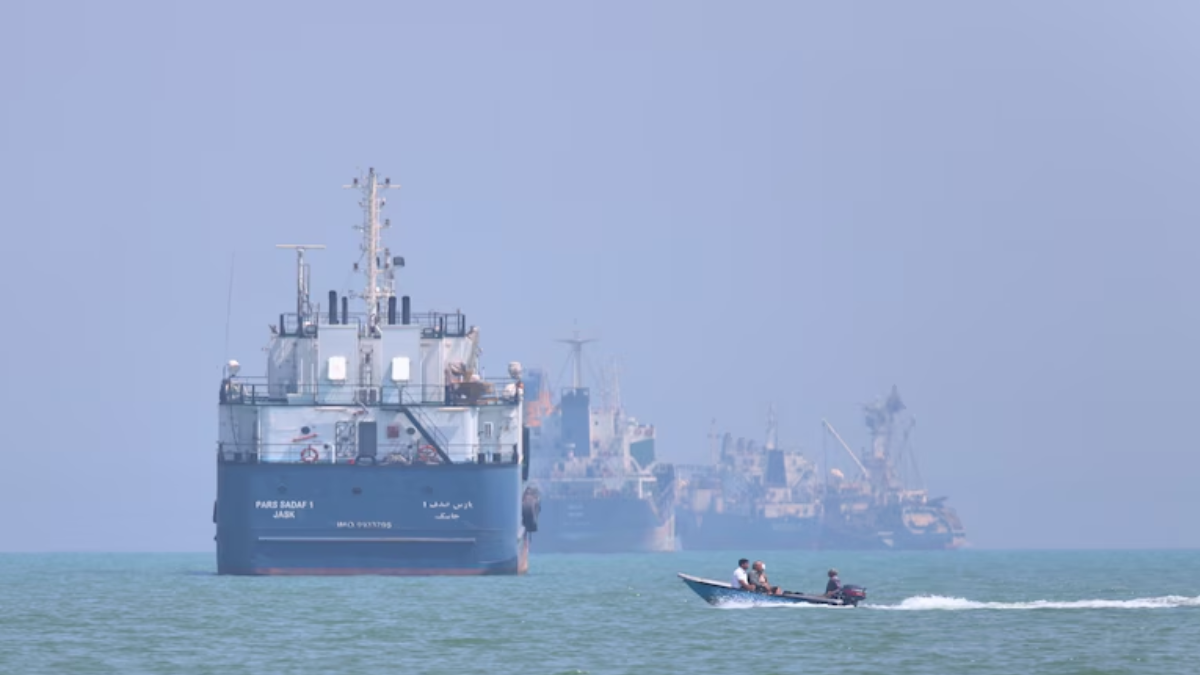
The strikes came after attacks on three commercial vessels — the Marshall Islands-flagged M/T Al Rekayyat, the Saudi Arabia-flagged M/T Wedyan and the Liberian-flagged M/T Cyprus Prosperity. According to CENTCOM, the objective of the operation was to reduce Iran's capacity to threaten international shipping and "impose heavy costs" for attacks on civilian vessels transiting one of the world's busiest trade routes.
US officials described the latest campaign as substantially larger than the retaliatory strikes launched in late June. One official said Washington planned to strike roughly eight times as many targets, arguing that Iran had ignored earlier warnings.
The offensive reportedly continued for several hours, with Iranian port facilities, ground-to-air missile systems, coastal surveillance positions, anti-ship cruise missile launchers and drone infrastructure also among the targets.
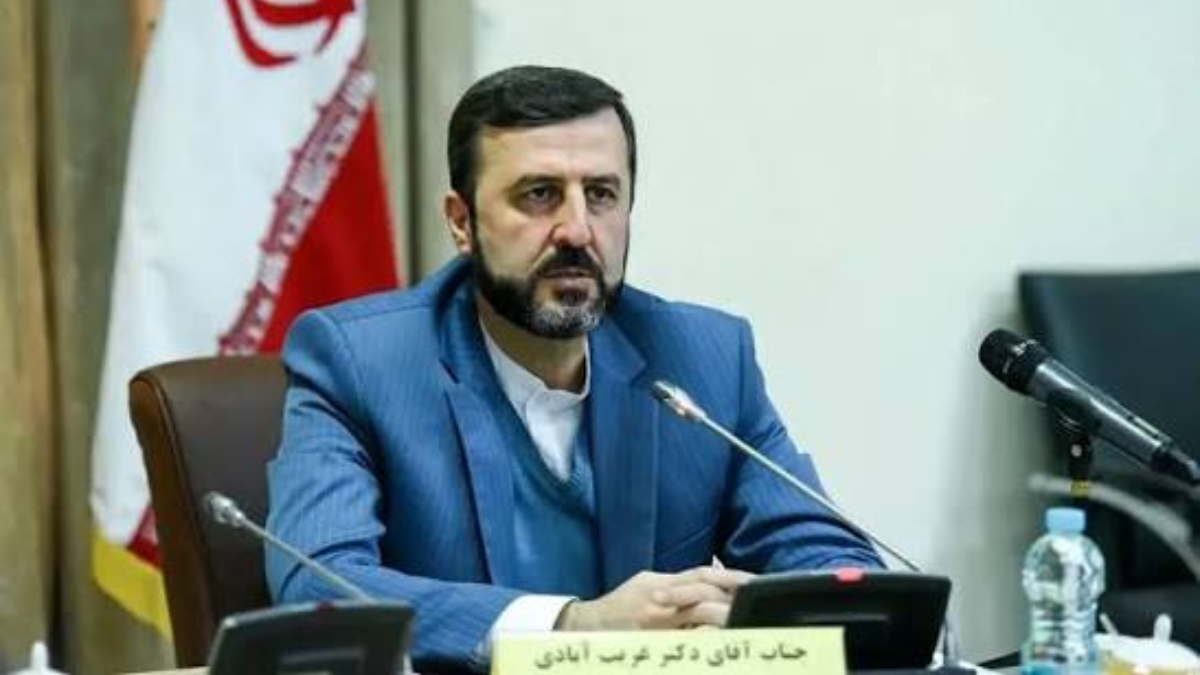
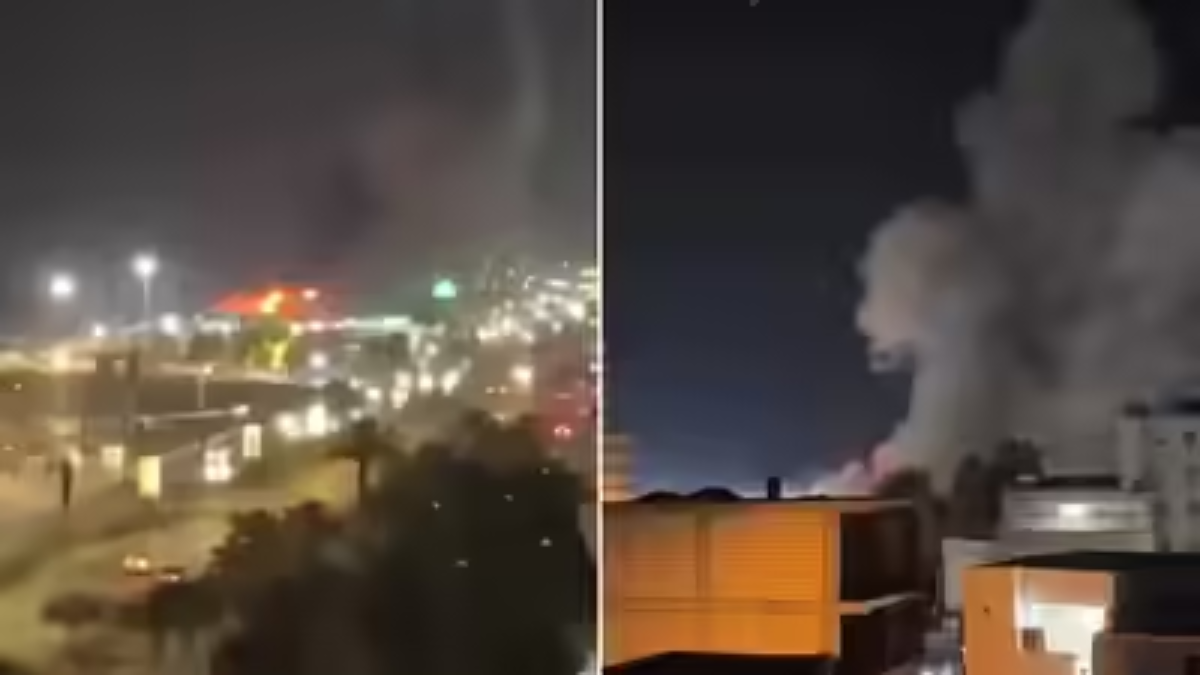
Iranian state media reported explosions in the cities of Qeshm, Bandar Abbas and Sirik. Iran's deputy foreign minister Kazem Gharibabadi accused Washington of breaching the interim ceasefire agreement, while the Iranian Foreign Ministry denounced both the air strikes and the US decision to revoke a licence that had temporarily permitted the sale of Iranian oil under the truce.
The escalation followed attacks on three merchant vessels in the Strait of Hormuz earlier in the day, one of which caught fire off the coast of Oman. The United Kingdom Maritime Trade Operations (UKMTO) said the remaining two ships sustained damage but were able to continue their voyages without any casualties. The incidents represented the highest number of attacks on shipping in the waterway in a single day since April.
The latest military confrontation unfolded as Iran held funeral ceremonies for its late Supreme Leader Ayatollah Ali Khamenei, adding further uncertainty to efforts aimed at securing a lasting end to the conflict, restoring full access through the Strait of Hormuz and reviving negotiations over Tehran's nuclear programme. The waterway remains one of the world's most critical maritime corridors, handling about one-fifth of global oil and natural gas trade during peacetime.
Also Read | Trump Renews Greenland Push, Says NATO Allies 'Let Us Down' as Ankara Summit Opens
Also Read | Trump Again Offers to Help End Ukraine War in "Businesslike" Call With Putin